Sustainability
All our programs are designed in a way that the target communities have a saving, investment, and expansion plan and renewal strategies. This promotes their resilience and well-being due to effects of climate change and the current economic pressures.
1) Capacity Building
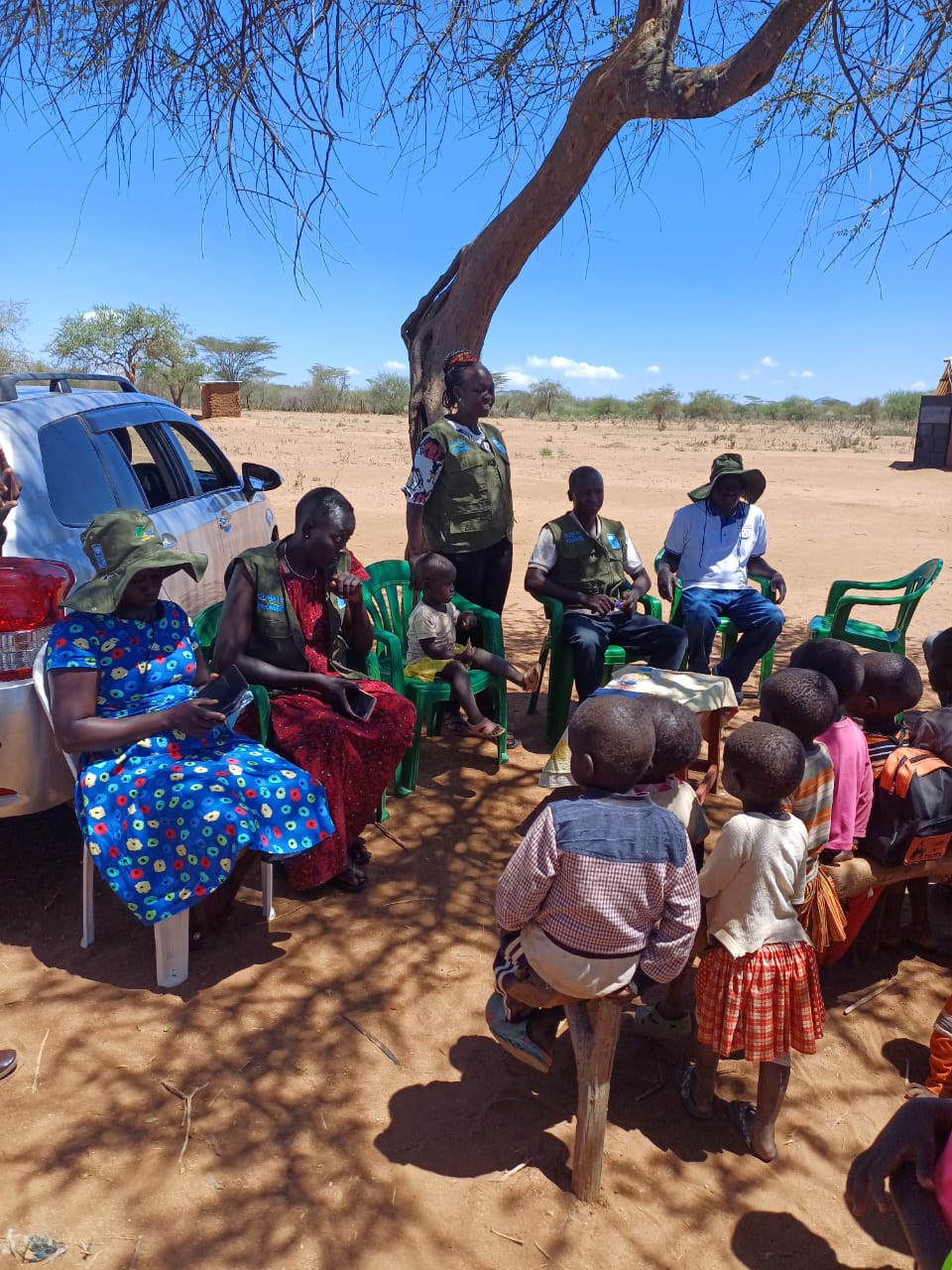
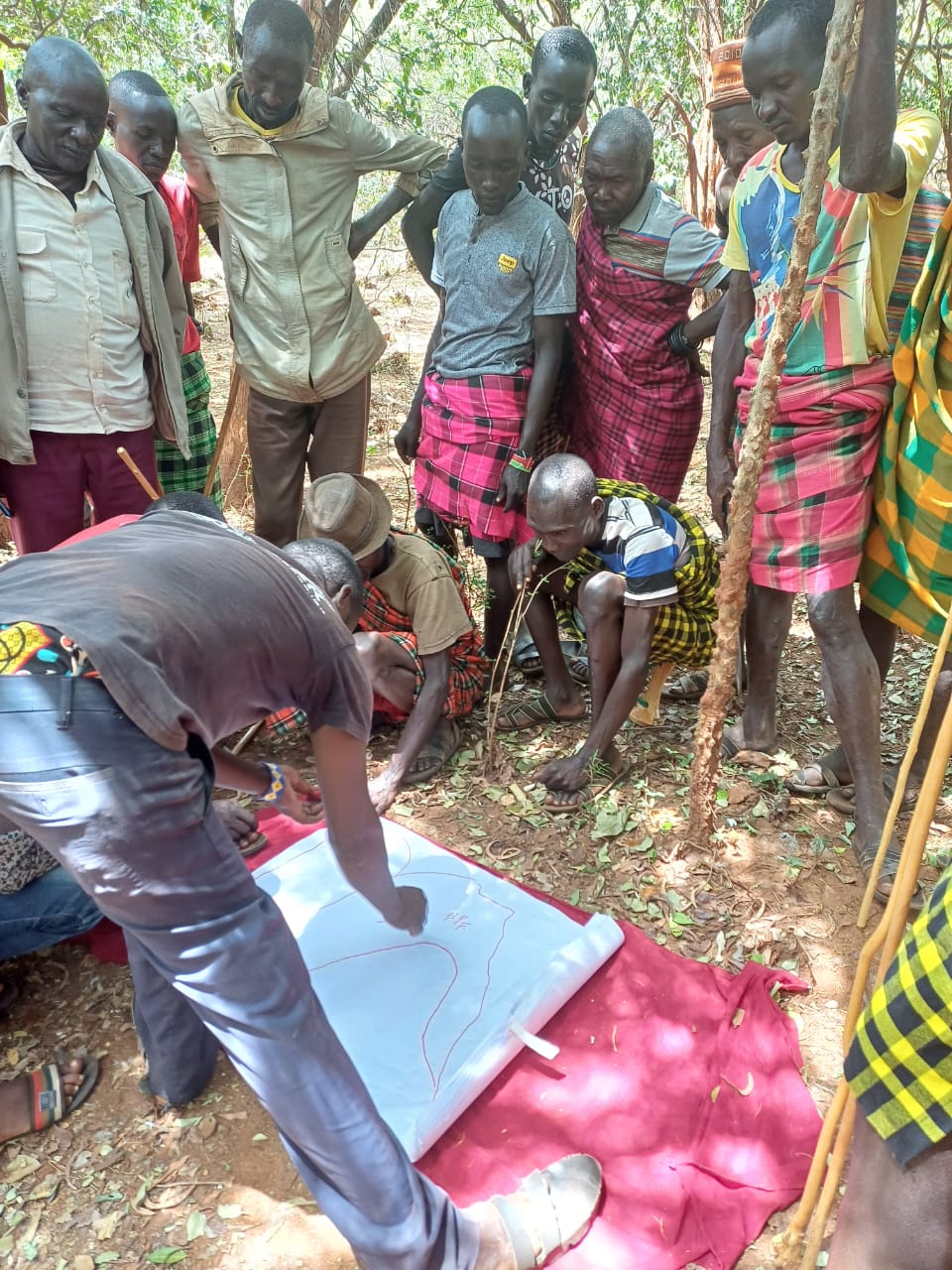
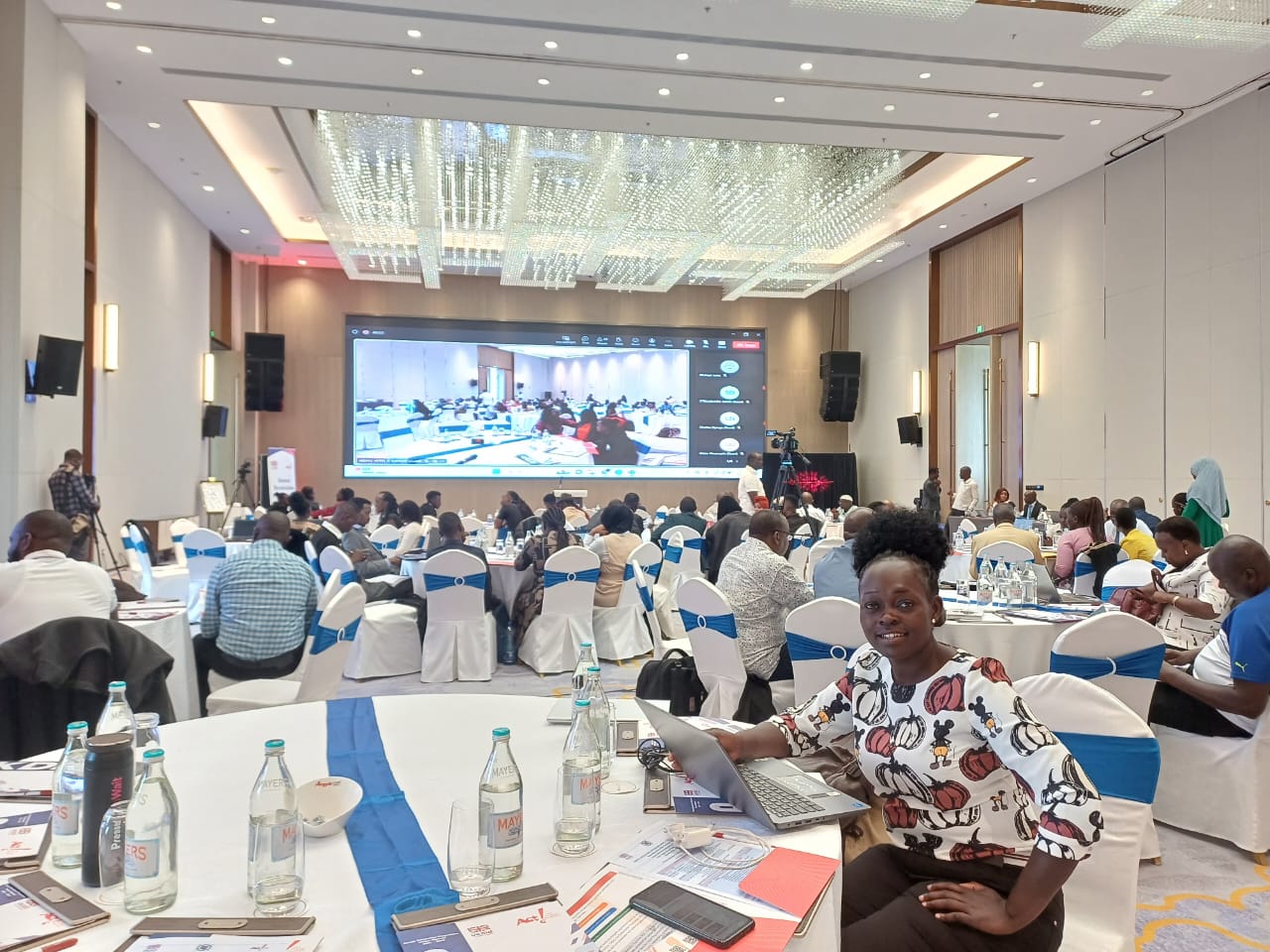
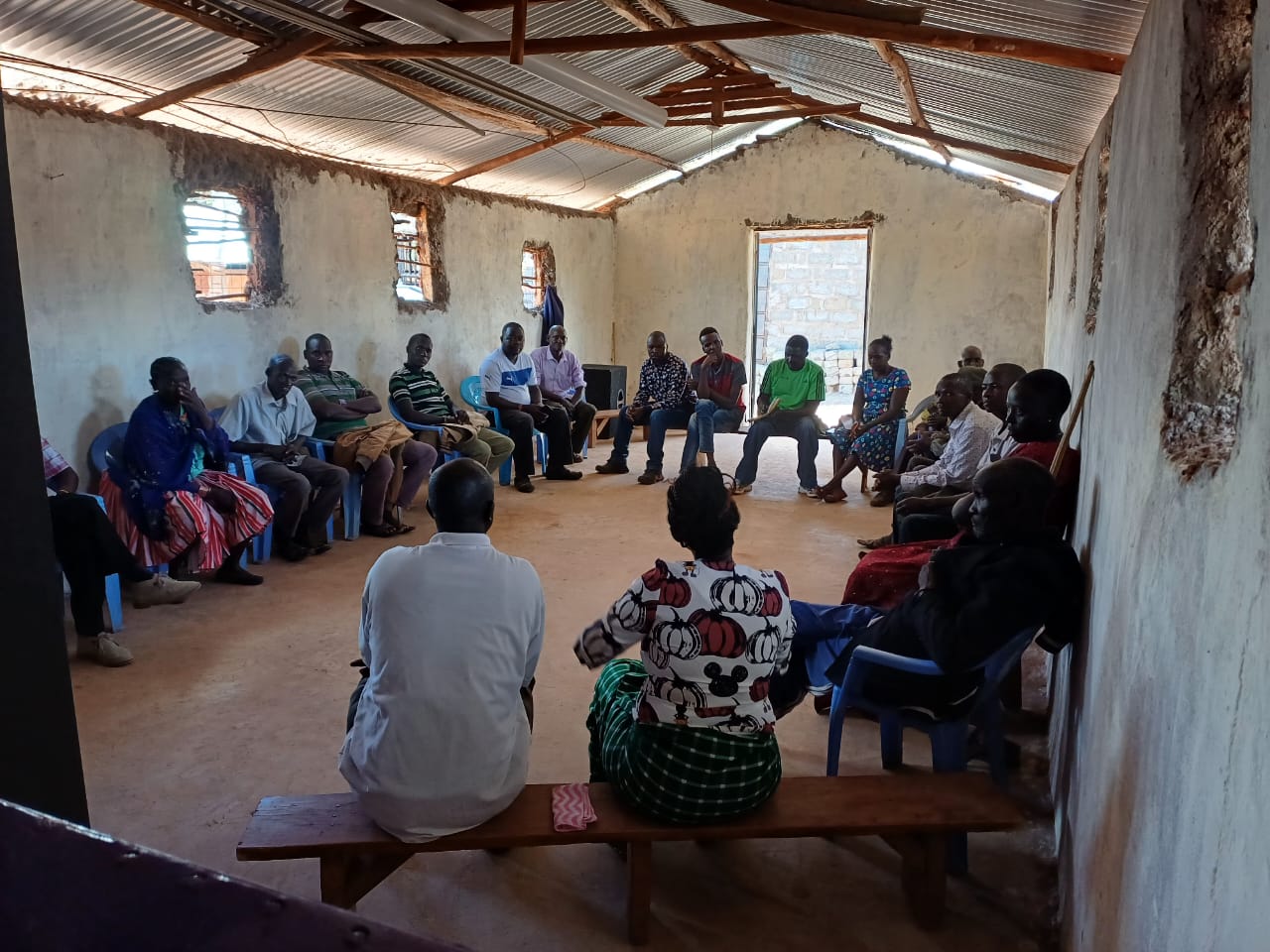
Capacity Building is a cornerstone of Shepherd Mission's efforts to uplift vulnerable communities, enabling us to achieve sustainable livelihoods and dignified living conditions. We collaborate with local communities, government entities, and donors to develop skills, knowledge, and resources essential for addressing the region's unique challenges. Through targeted training programs, workshops, and educational initiatives, Shepherd Mission empowers individuals and groups to take proactive roles in improving their circumstances, ensuring that they can sustain their advancements long after direct support ends.
In our ongoing efforts to enhance capacity, we focus on key areas such as climate change adaptation, sustainable agricultural practices, and effective governance. The current use of scorecards facilitates a structured approach for communities, stakeholders, and the government to enforce and monitor policies related to climate resilience.
By equipping the local population with the necessary tools and knowledge, we ensure that these communities can independently navigate and mitigate the impacts of environmental changes, ultimately fostering a more resilient and self-sufficient society.
2) Food Security
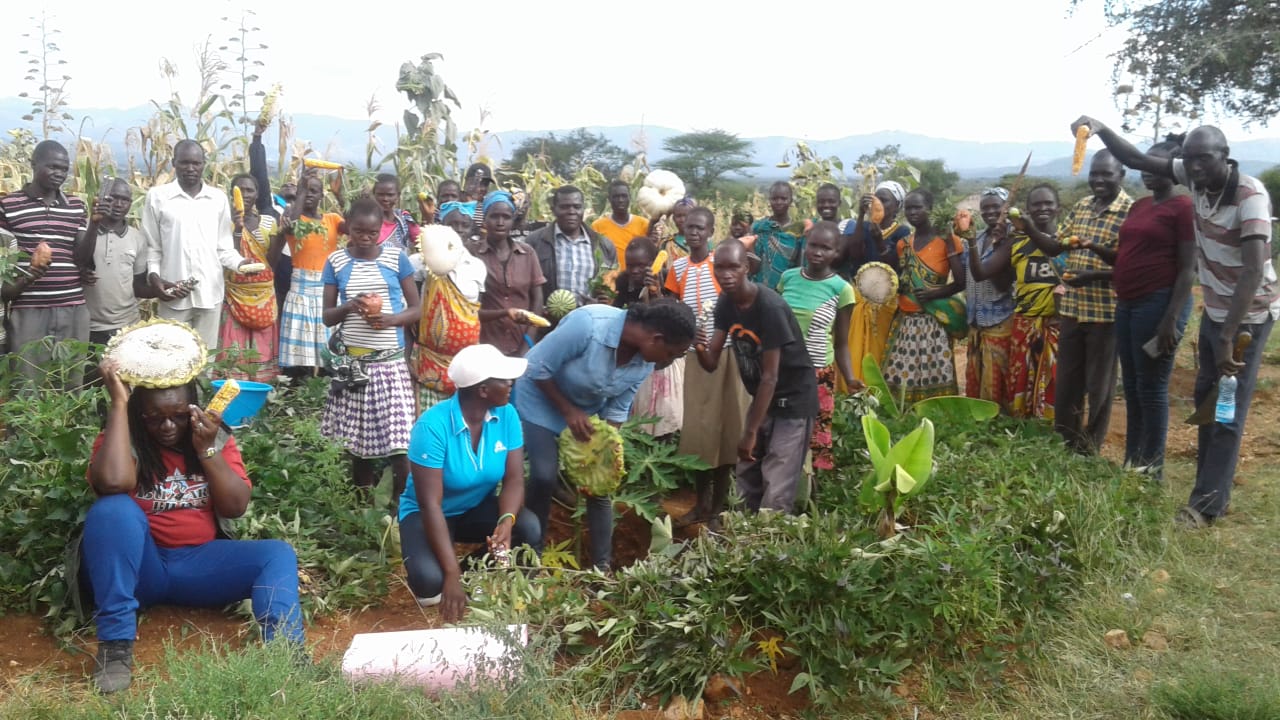
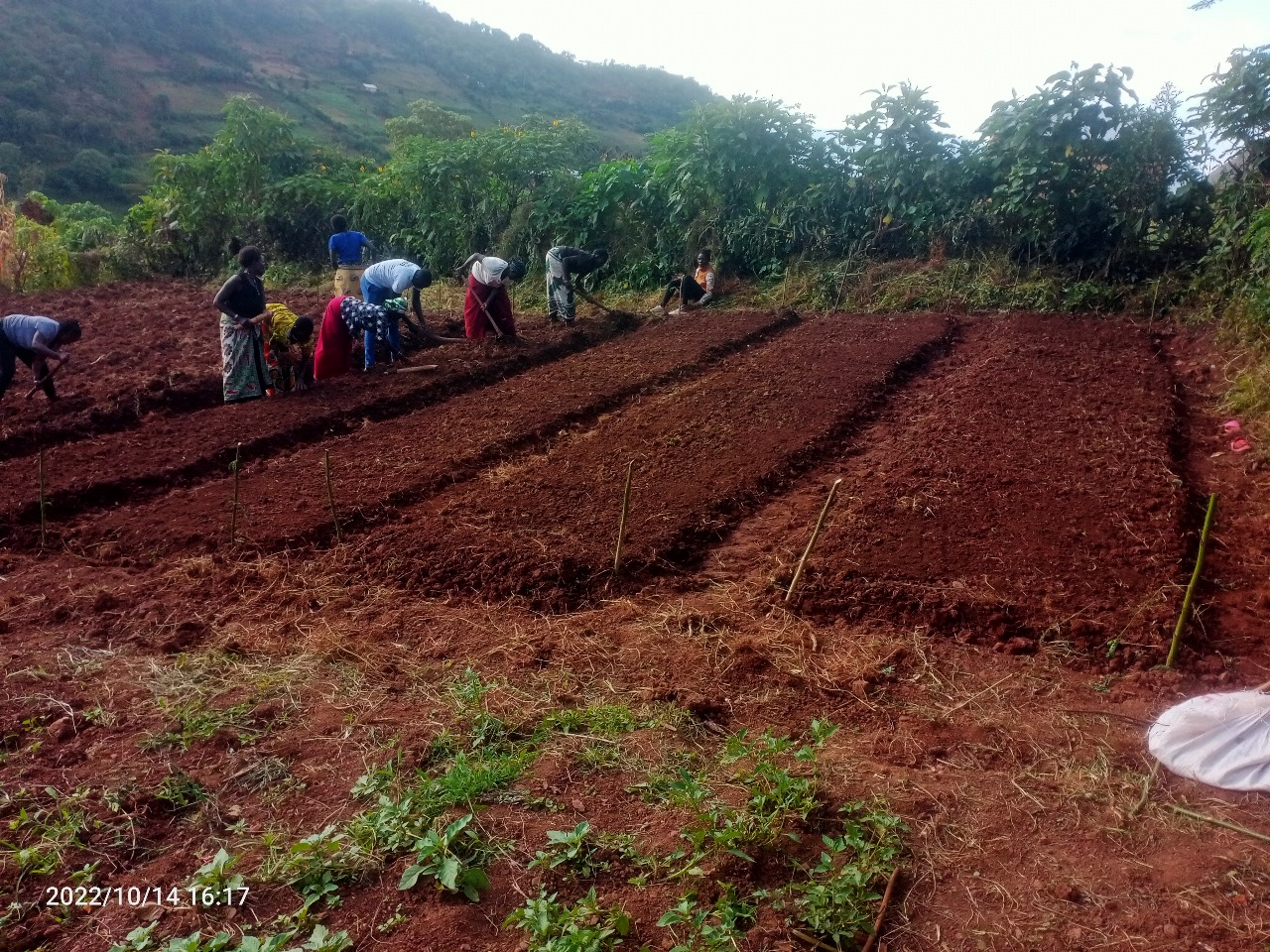
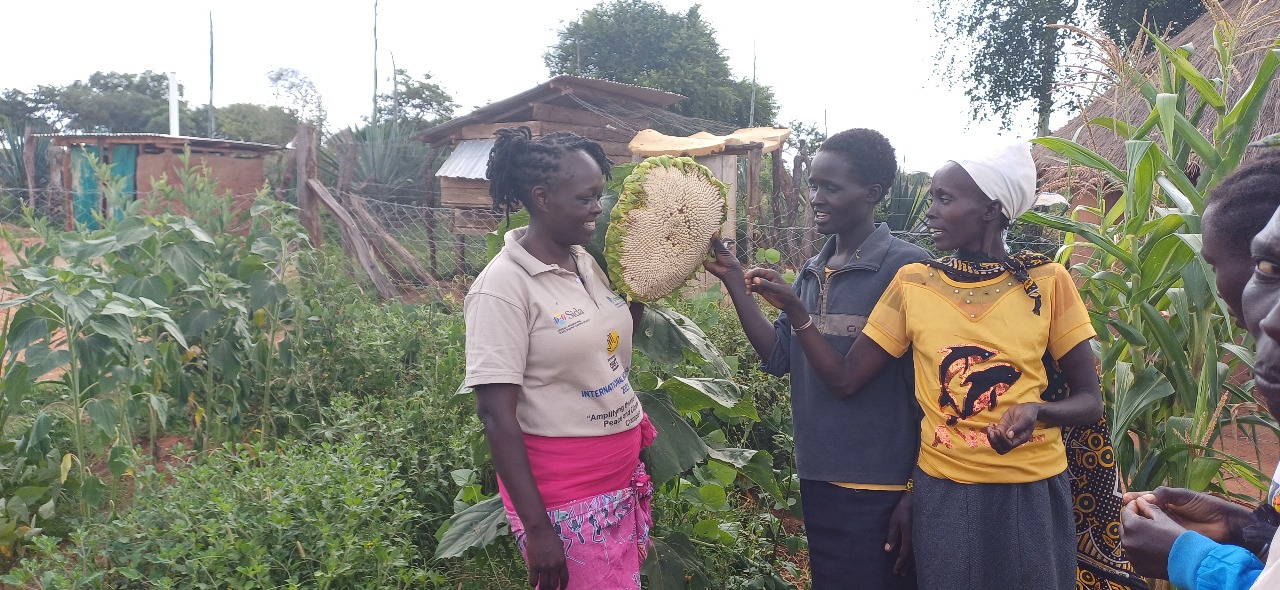
For over 12 years, Shepherd Mission has committed to improving the nutritional well-being and sustainable food production practices of vulnerable communities. By partnering with local communities, government agencies, and donors, we implement programs designed to address the root causes of food insecurity. These initiatives include promoting sustainable agricultural practices, providing training in modern farming techniques, and supporting the establishment of community gardens and livestock projects. Through these efforts, Shepherd Mission empowers communities to achieve self-sufficiency and resilience in food production.
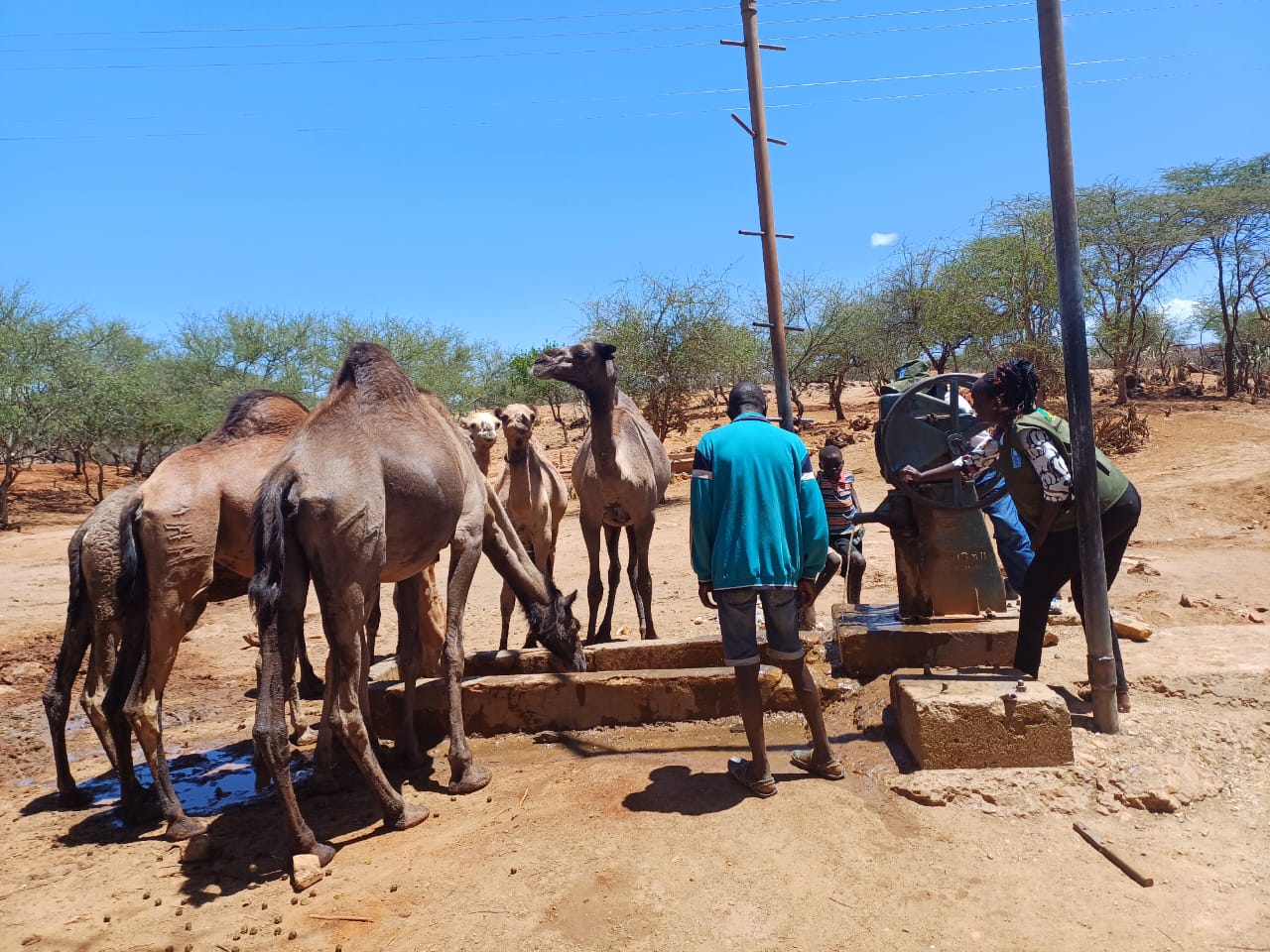
A significant aspect of our work in food security involves adapting to and mitigating the impacts of climate change. We integrate climate-smart agriculture into our programs to ensure that food production systems are resilient to environmental changes. By addressing food security from multiple angles, Shepherd Mission ensures that communities in West Pokot can maintain consistent access to nutritious food, thereby improving their overall health and economic stability.
3) Economic/Women Empowerment
Shepherd Mission places a significant emphasis on economic and women empowerment. We are dedicated to uplifting the economic status of vulnerable communities, with a particular focus on empowering women. Recognizing that economic stability and gender equality are vital for sustainable development, we partner with local communities, government bodies, and donors to implement programs that enhance economic opportunities and support women's empowerment. These initiatives include vocational training, entrepreneurial skill development, and access to microfinance services, enabling women to start and grow their own businesses.
Our strategy is to provide women with the tools and resources they need to become financially independent and influential within their communities. We conduct workshops and training sessions focused on financial literacy, business management, and leadership skills. Additionally, our programs often integrate support for women's cooperatives and savings groups, fostering a collaborative approach to economic empowerment. By equipping women with the necessary skills and support, Shepherd Mission not only improves their economic prospects but also enhances their social status and influence within their communities. This comprehensive approach ensures that economic empowerment goes hand in hand with social justice and gender equality, creating a more inclusive and prosperous society.